
Electrician
3 min read
When completing electrical installation certificates, EICRs or minor works paperwork, you are often required to record the British Standard number of the protective device fitted. This reference table lists the most common BS numbers for domestic and light-commercial protective devices, with photos to help you identify what is in the board, fuseway or socket outlet.
BS numbers identify the type of device — not the manufacturer or rating. Always verify the rating marked on the device itself and cross-check against the circuit design.
Protective Device BS Number Reference
| BS Standard | Description | Device |
|---|---|---|
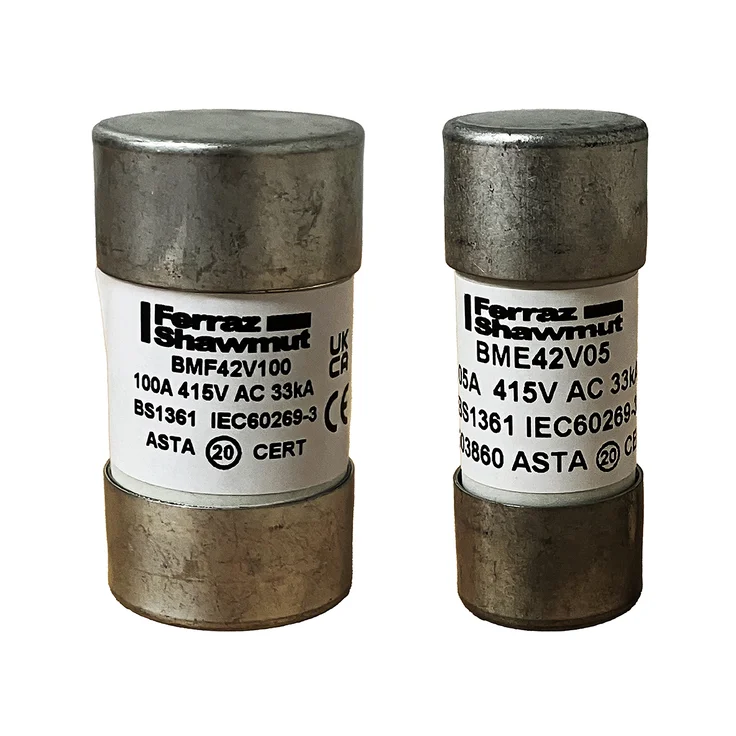
| BS 1361 | Cartridge Fuses (Consumer Unit Type) |
|
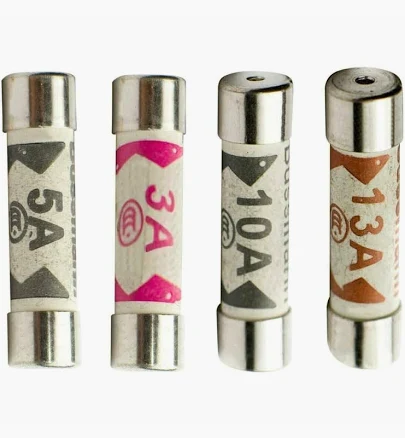
| BS 1363 | Plug Top Fuses |
|
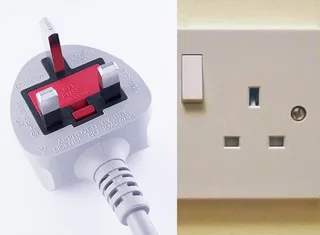
| BS 1363 | 13A Plug Tops |
|
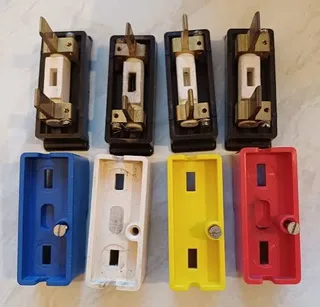
| BS 3036 | Rewireable Fuses |
|
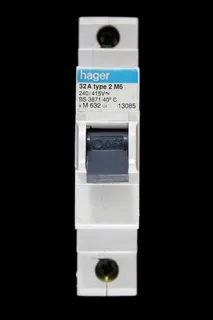
| BS 3871 | Miniature Circuit Breaker (Old Style) |
|
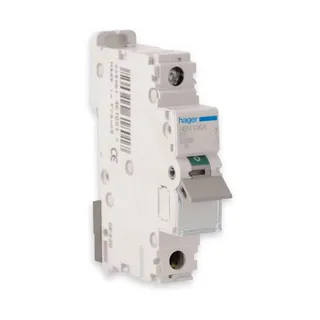
| BS 60898 | Miniature Circuit Breakers |
|
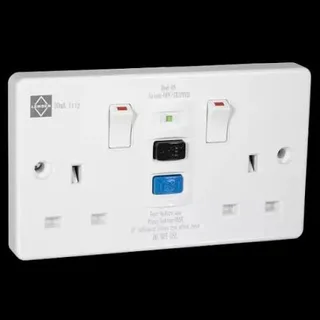
| BS 7288 | RCD Sockets |
|
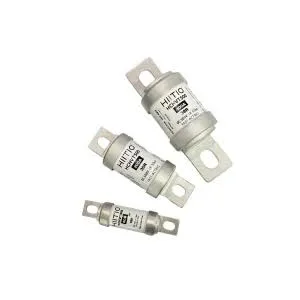
| BS 88 | Cartridge Fuses (General Purpose) |
|
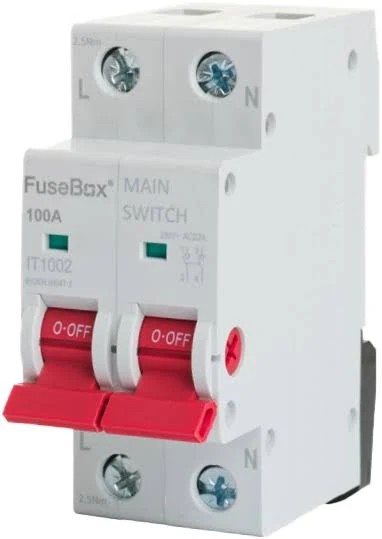
| BS EN 60947-3 | Main Isolators |
|
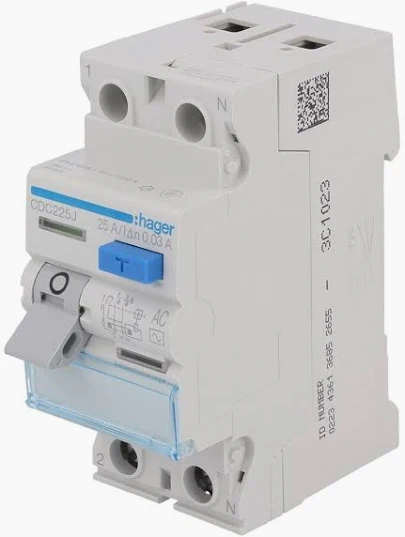
| BS EN 61008 | Main RCDs |
|
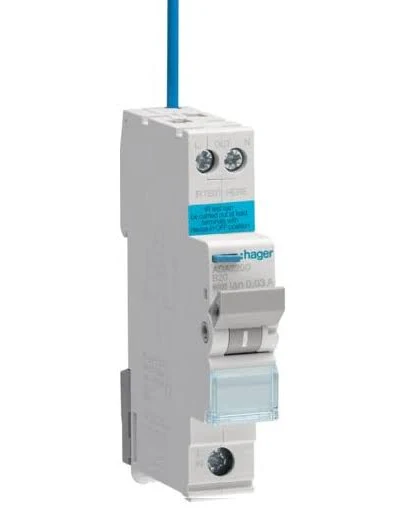
| BS EN 61009-1 | RCBOs |
|
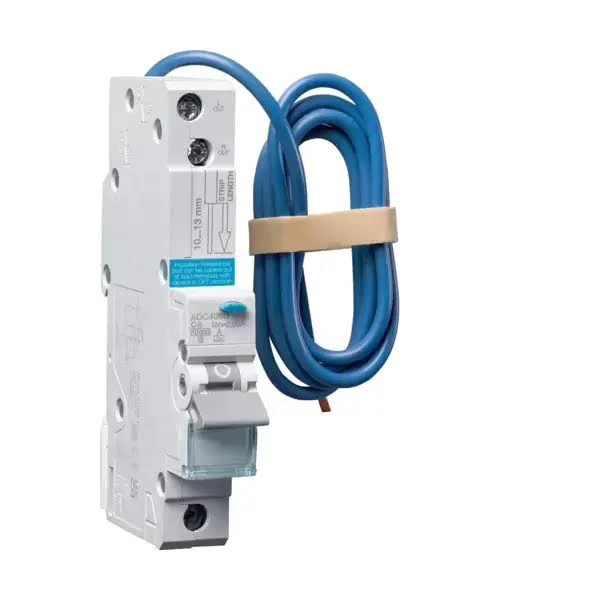
| BS EN 62606 | AFDDs |
|
Practical tips
- BS 1361 vs BS 1362: BS 1361 fuses are used in consumer units and are physically larger than the BS 1362 fuses found inside 13 A plug tops (BS 1363).
- BS 3871 vs BS 60898: BS 3871 covered older plug-in or non-standard MCBs; modern DIN-rail MCBs are to BS EN 60898 (often still referred to as BS 60898).
- RCD vs RCBO: BS EN 61008 is RCD-only (no overcurrent protection); BS EN 61009-1 is the combined RCBO.
- Device markings are usually on the front or side of the unit — photograph unclear labels for your records if completing an EICR.
Related guides
Last Updated: June 2026
Certificate completion checklist
- Record the correct BS number for each protective device on the schedule
- Verify device ratings match circuit design and cable size
- Confirm RCD/RCBO test buttons operate correctly
- Photograph illegible or missing device markings
- Cross-reference with manufacturer data if the BS marking is absent
 Leave a Review
 Request a Quote